
A Blueprint for Our Future

San Diego
Jewish Community Study


Demographic Overview
San Diego Jewish Community Study

56,200
Jewish households
4.6%
of San Diego County households
100,700
Jewish persons
3.1%
of San Diego County households

The growth of the San Diego Jewish population is similar to the growth of the overall County population.
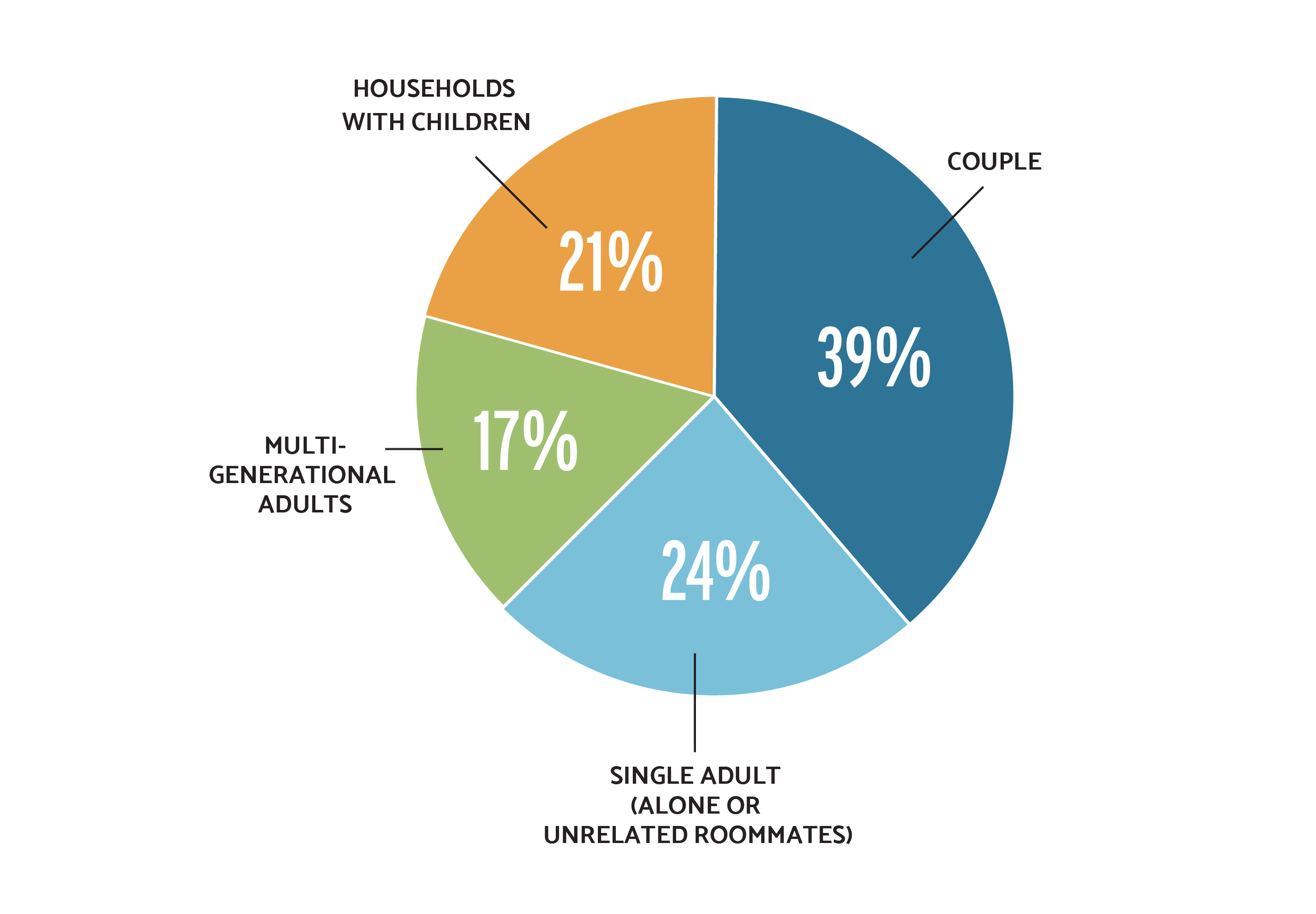
Most Jewish households are made up of couples and single adults without children.
The San Diego Jewish community is older than the general population.
While 47% of the overall San Diego County population are under age 35, only 36% of the San Diego Jewish population are under age 35.
Only 12 percent of Jews in San Diego are children and youth under age 18 – compared to 21% of San Diego County and 24% of U.S. Jews.

How can community members uplift one another in finding a sense of purpose and wellbeing at all different life stages?

How can organizations adapt to serve both older adults and younger Jewish adults who are moving to San Diego? Are there ways to foster connections between them?

More than half of Jewish newcomers to San Diego are young adults.
Thirty percent of Jewish adults are relative newcomers to Greater San Diego. Of these, 16% have lived in the area for five to nine years, and 14% have moved to the area within the past four years. More than half of these newcomers are under the age of 35.

Nearly one in five Jewish individuals identifies with a racial identity other than white or as Hispanic.
Four out of five Jewish adults were born in the United States.


In about one quarter of Jewish households, people speak a language other than English on a regular basis.
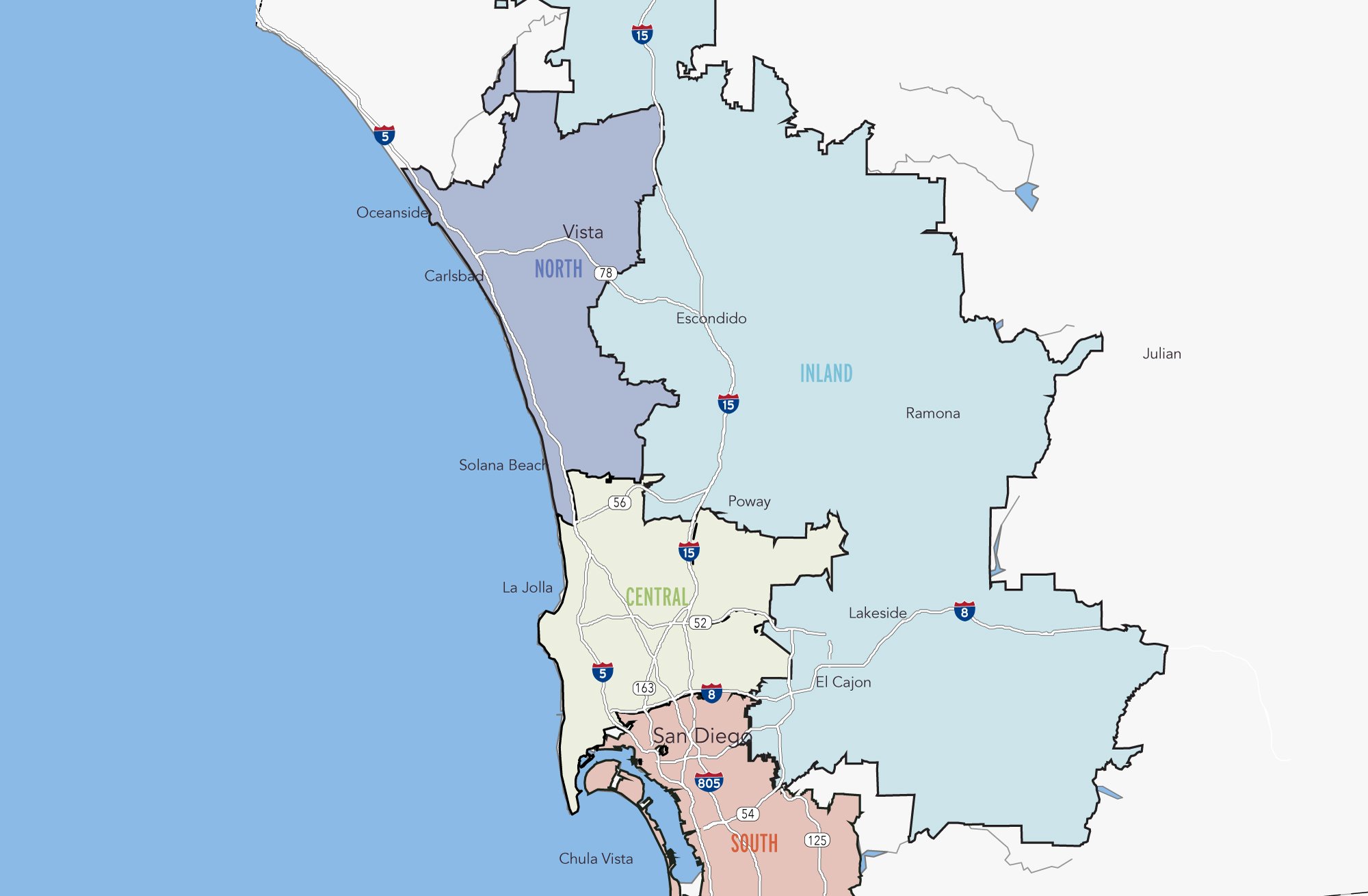
Regions At A Glance
San Diego Jewish Community Study

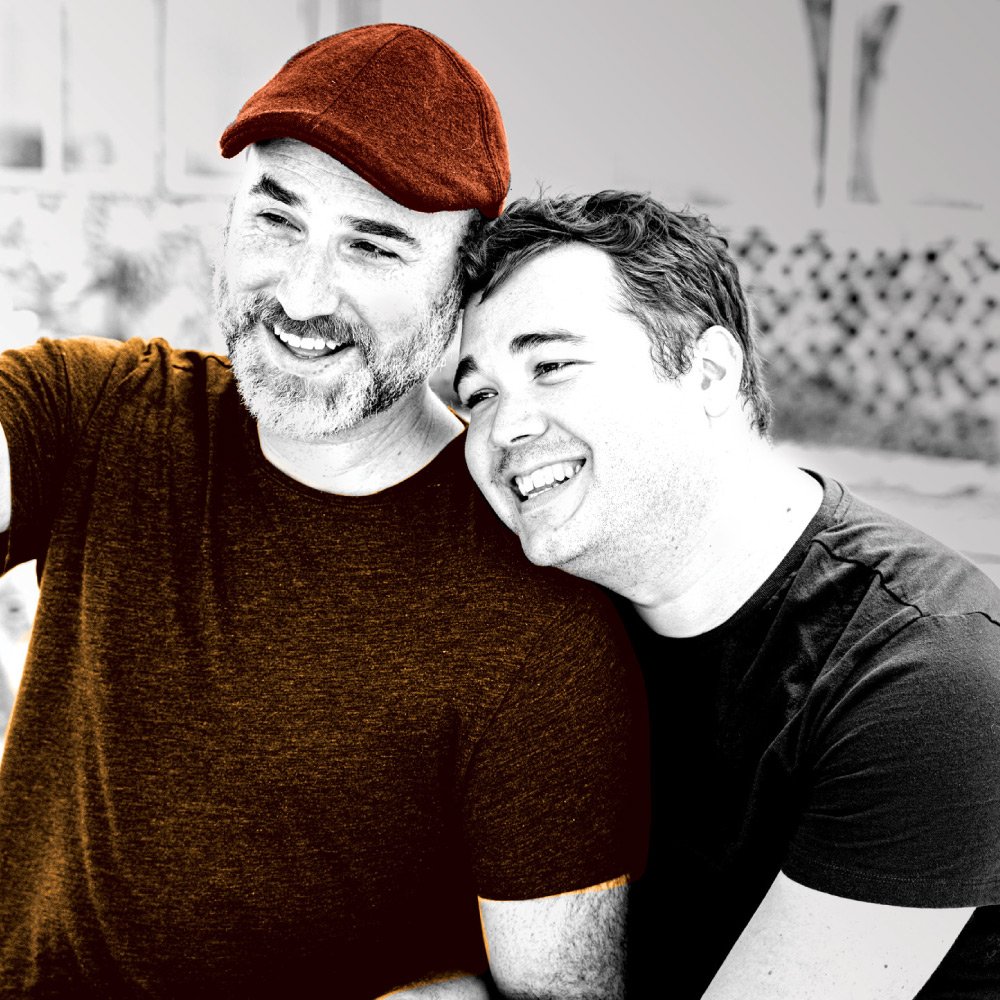
Diverse Community
San Diego Jewish Community Study
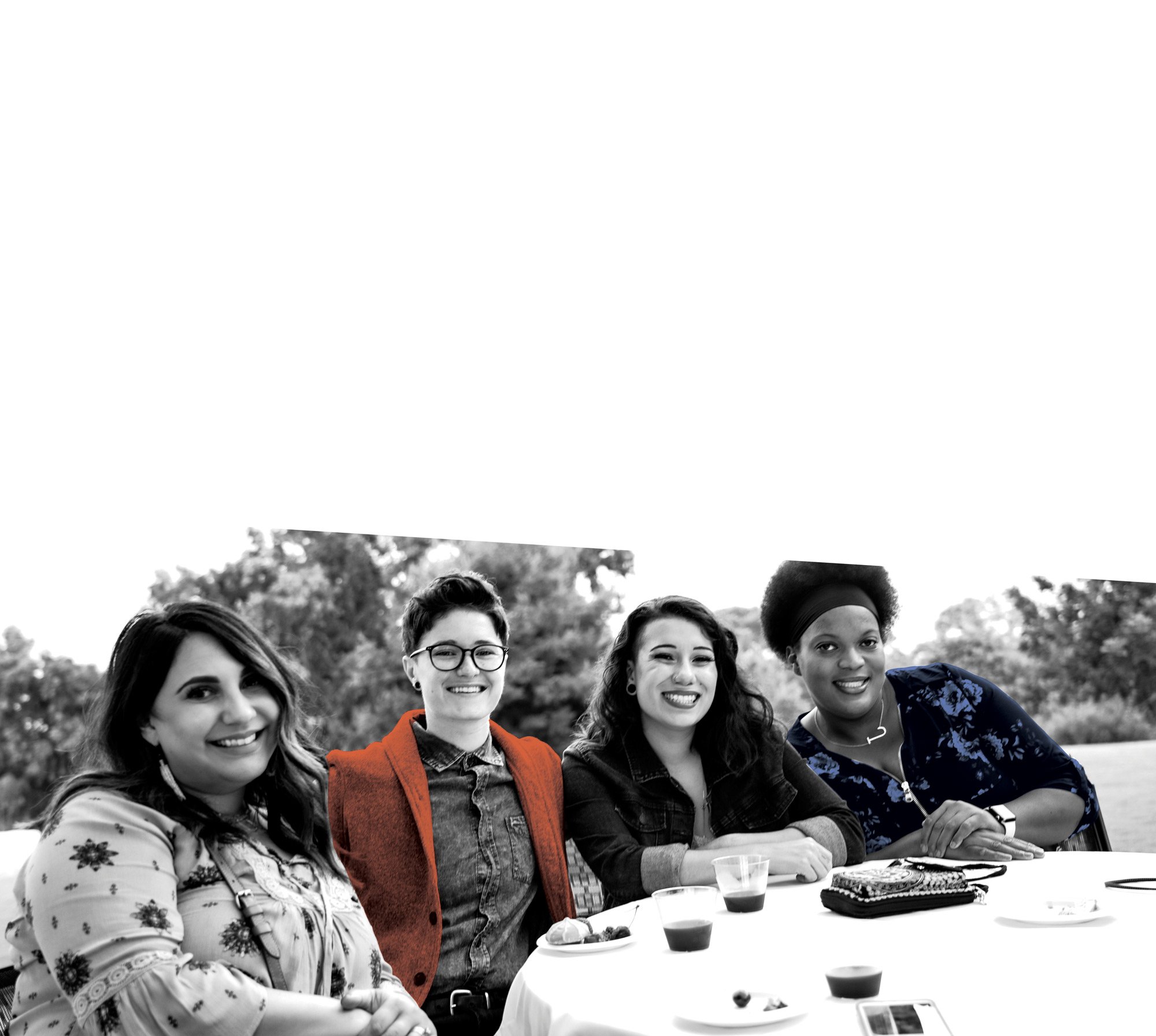
The San Diego Jewish community is becoming more racially and ethnically diverse.
Across all Jewish households, 6% of individuals (adults and children) identify as people of color.
Notably, the proportion of Jewish children whose parents identify them as people of color is higher than the proportion of Jewish adults who self-identify as people of color. This suggests that future generations will continue to be more multiracial and multiethnic.
PERCENT OF JEWISH CHILDREN AND ADULTS IDENTIFYING AS PEOPLE OF COLOR


Half of Jews who are married/partnered have a non-Jewish spouse/partner.
This is similar to national trends: Among all U.S. Jews who are legally married, 42% have a non-Jewish spouse.

More inquiry is needed to understand the degree to which Jewish organizations have achieved diversity, equity, and inclusion among their staff, leaders, and members.
This includes, for example, perceptions of inclusion among communities of color, LGBTQ+-identifying individuals, and those with disabilities or special needs.
“There is more to do to make all Jewish spaces and events welcoming to the diverse identities of our Jewish community whether considering race, LGBTQ, ability...lack of inclusivity also gives power to gatekeepers who try to say who is allowed to call themselves a Jew."
— Study Participant
How do we ensure that the programming and leadership of Jewish organizations reflect the diversity of the community they serve?
How do we achieve equitable access and participation across diverse community groups?

Jewish Attitudes and Perspectives
San Diego Jewish Community Study
For most, being Jewish is a matter of culture.
The majority of Jewish adults believe a great deal that being Jewish is a matter of culture. San Diego’s Jewish adults feel less strongly that being Jewish is a matter of community, ethnicity, or religion.
BEING JEWISH IS A MATTER OF...


Social justice arose as an important value for members of the San Diego Jewish community.
Nearly all Jewish adults in San Diego agree that leading an ethical and moral life, remembering the Holocaust, working for justice and equality in society, and connecting to family and traditions are important or essential to being Jewish.
“[There is a] genuine concern for the wellbeing of Jewish and non-Jewish neighbors; concerns for equal rights, women’s rights, and environmental issues.”
— Study Participant

The majority of Jewish adults are very concerned about antisemitism – around the world and in the United States.
Thirteen percent of Jewish adults report that they personally have experienced antisemitism in the past year.

How do these attitudes and perspectives compare to your experience of Jewish community in San Diego? What are the differences?
Jewish Engagement
San Diego Jewish Community Study
Jewish engagement is a complex, multidimensional expression of Jewish identity.
The study identifies five patterns of engagement that are unique to the San Diego Jewish community. They differ in terms of the types of behaviors people engage in – the ways in which people spend their time and involve themselves in Jewish life. The Index of Jewish Engagement can be used to improve planning based on people’s different needs and interests.


The ways people participate in congregations vary by relationship status and age.
Couples are more likely than single adults to belong to a congregation.
Young adults attend services at community organizations more often than synagogues.
The majority of older adults who attend services go to synagogues.
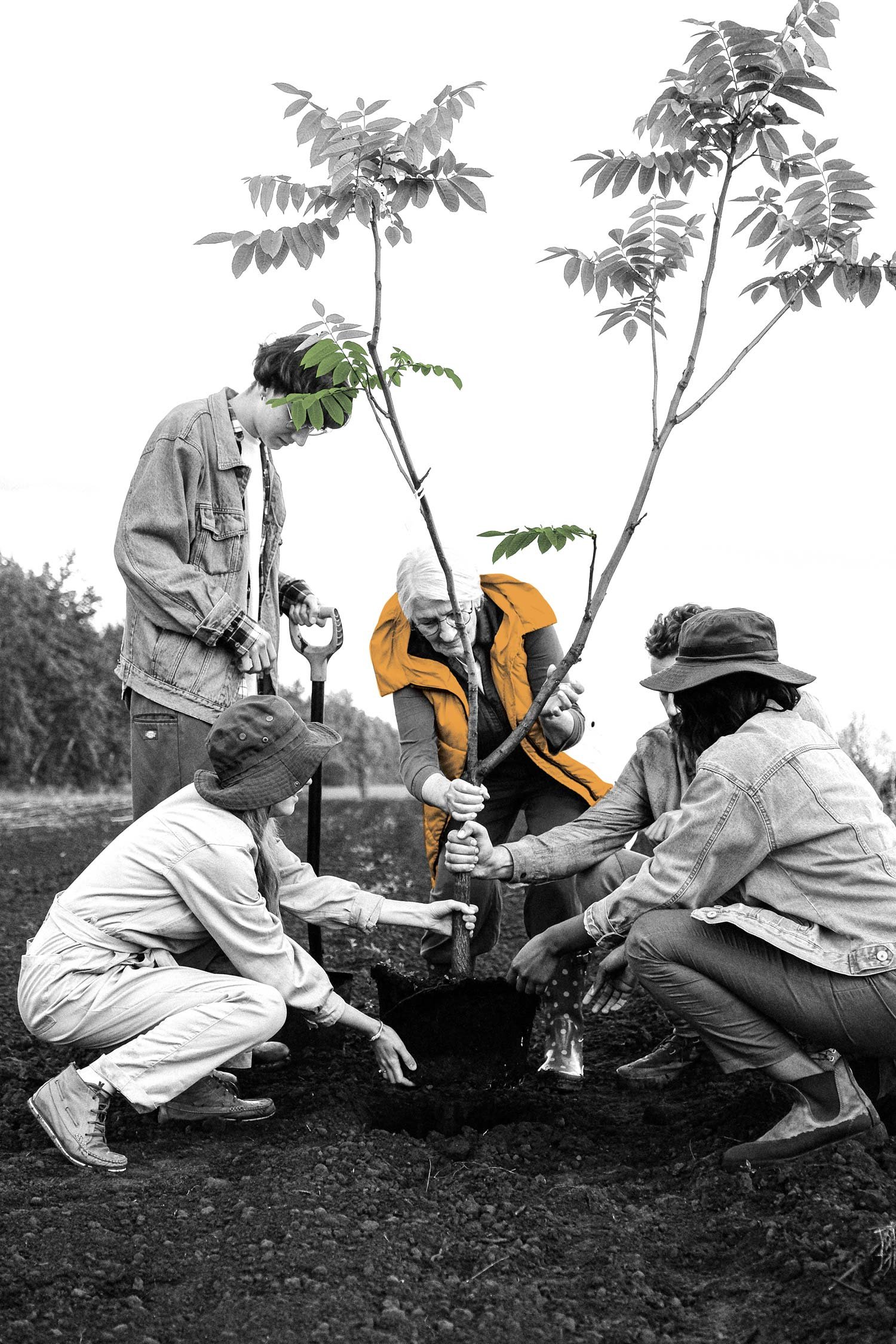
Jews in San Diego are very active in volunteerism and philanthropy.
Half of Jewish adults in the San Diego Jewish community volunteered for at least one organization or cause in the previous year.
People from most Jewish households (82%) report making a charitable contribution in the past year.

How is our understanding of the ways that people engage in Jewish life evolving? What are the different expressions of contemporary Jewish life?

Health & Economic Security
San Diego Jewish Community Study
Community members report that financial hardship is affecting their ability to meet basic needs including rent, healthcare, food, and utilities.
15 OUT OF 100 JEWISH COMMUNITY MEMBERS ARE STRUGGLING FINANCIALLY
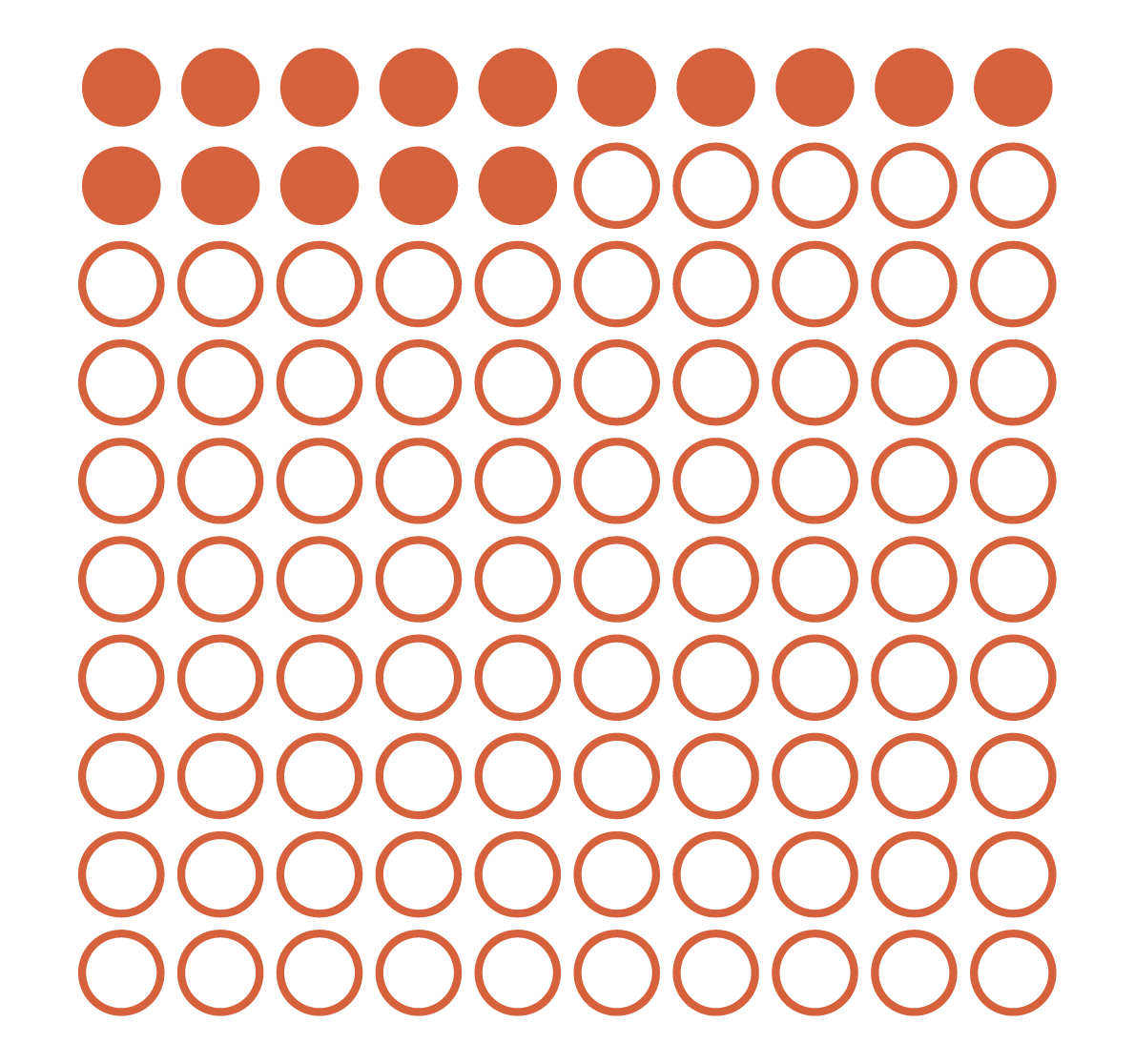
9%
of households reported earning less than 250% of Federal Poverty Level (2023). That’s less than $33,975 for individual and $57,575 for a family of three.
19-22%
of households reported earning under 80% of San Diego area median income, a measure of financial wellbeing that accounts for cost of living in San Diego.
One quarter of Jewish households in San Diego include a member whose work, school, or activities are limited by a chronic health issue, special need, or disability.
These basic needs represent areas where there are opportunities to continue to activate more resources.
Among households who are financially struggling, the proportion with a limiting health issue increases from one quarter to nearly half.
Financially struggling adults face more mental and emotional health challenges than those with greater wealth. Among financially struggling adults, 22% felt lonely often or all of the time in the previous week.

HOUSEHOLDS WITH AT LEAST ONE MEMBER WITH A LIMITING HEALTH CONDITION BY FINANCIAL SITUATION
What keeps me up at night is…


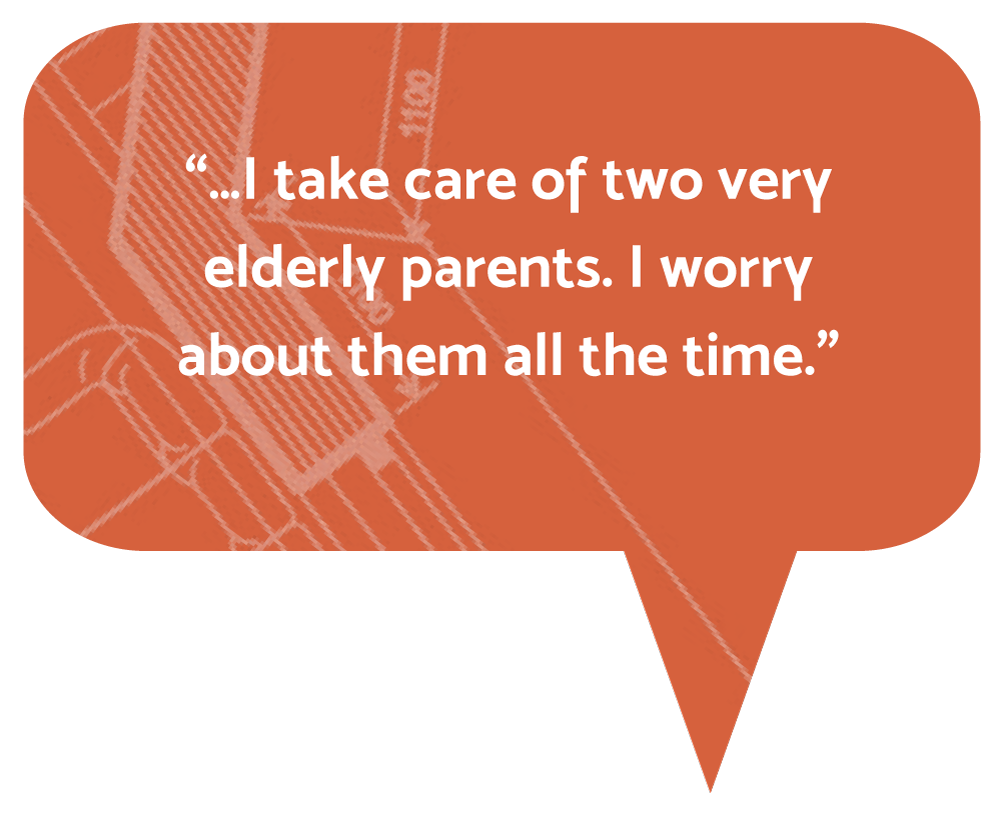


What are the financial barriers that people face and how can community members be empowered to overcome them?

Building Community Connections
San Diego Jewish Community Study
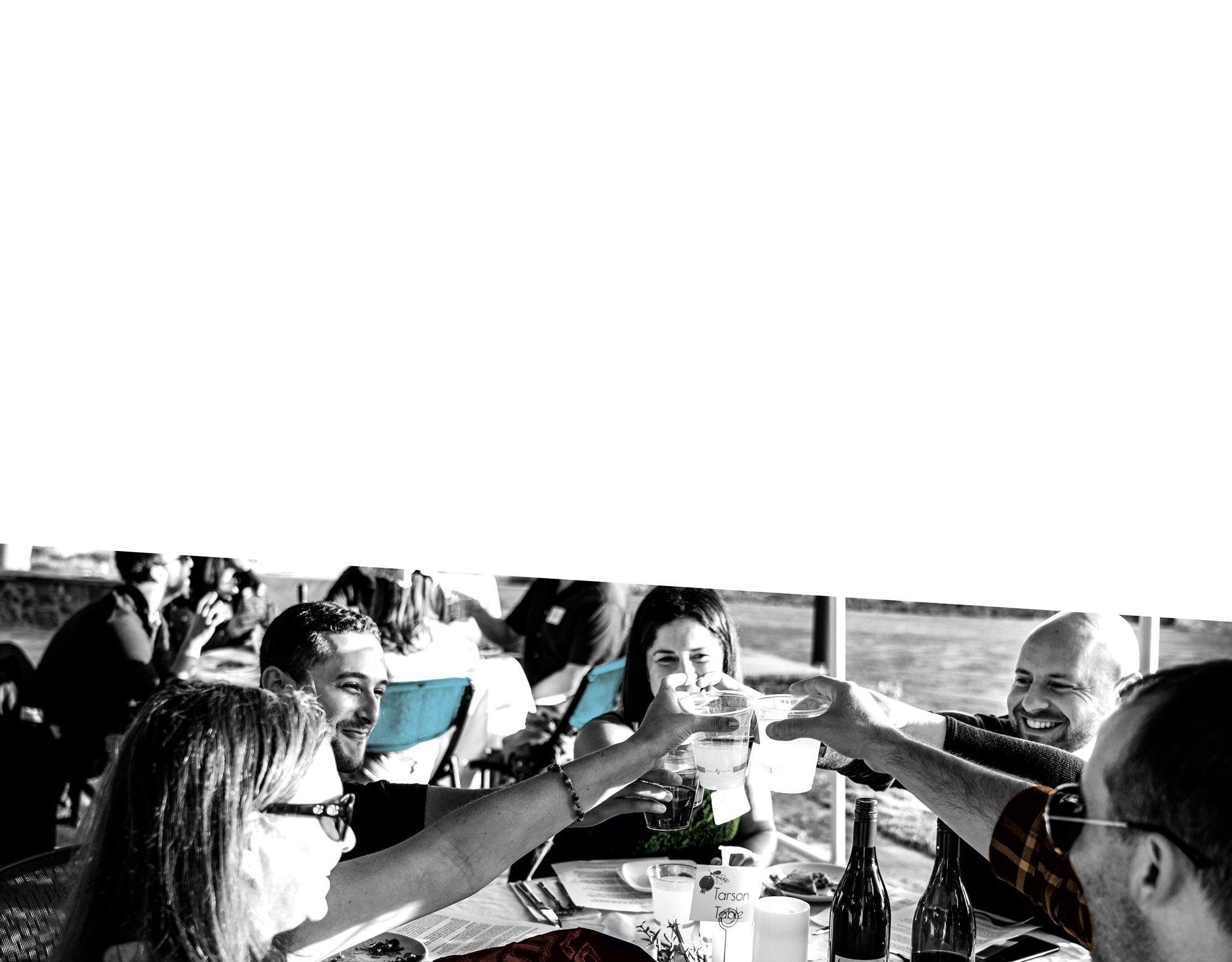
“The strength is a multitude of Jewish offerings for every type of person in San Diego.”
— Study Participant
The Jewish community is strongly invested in mutual support.
There are opportunities to further strengthen community connections by promoting equitable participation across diverse groups. These opportunities range from individual relationship-building to creating more accessible and inclusive community spaces.

TOP 4 CONDITIONS THAT HELP PEOPLE TO FEEL WELCOME AT JEWISH EVENTS

TOP 4 CONDITIONS THAT LIMIT PARTICIPATION IN JEWISH EVENTS

Not knowing many people was the most-cited barrier to participation.
Personal outreach to family, friends, and neighbors could help overcome this barrier. This might look like personally inviting someone to break bread over dinner or to attend a community event.
“The community doesn’t know about me, and I don’t know how to connect to the community. So I imagine I’m not the only person kind of waiting in the wings, wanting to reconnect with our Jewish roots but not knowing how to do so.”
— Study Participant
The majority of Jewish children attend secular educational programs.


Participants expressed a desire for educational programs that touch on Jewish themes and provide opportunities to socialize.
“I would like to see more events for interfaith families or couples to attend. I would enjoy coming to hear Jewish speakers, authors, journalists, and other professionals speak about current events, antisemitism, and other topics.”
— Study Participant
“As a non-Jew, I would like to see classes near me that help me understand more about Jewish faith and culture to help my granddaughter learn about these, since she identifies as Jewish.”
— Study Participant
Where are there opportunities to engage those who seek a greater sense of community connection?
What are some strategies for engaging community members that have been effective in the past? How can we replicate or scale these?